


If bedtime feels chaotic, with stalls, reappearing drinks, and yawns that never turn into sleep, you are not alone. Small, gentle, repeatable sensory cues can reshape the routine, signalling body and mind that sleep is next and often shortening settling time.
Read on to learn how to choose soft sound, touch, scent, and light cues, build a short screen-free ritual, and adapt each element to your child's age, temperament, and family rhythms. Practical troubleshooting strategies will help you keep cues consistent through disruptions so predictable bedtime becomes the norm rather than the exception.
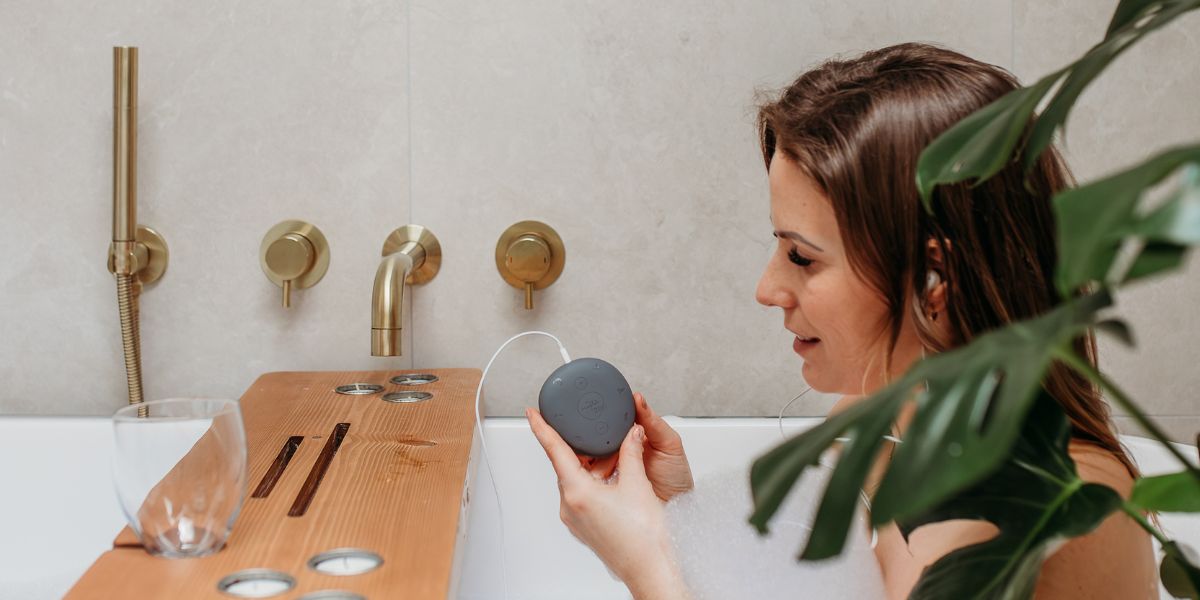
How to use sensory cues to make bedtime predictable
Dimming overhead lights and reducing noise cut down on alerting stimuli and help align circadian signalling, supporting the body's natural melatonin production. Repeatedly pairing the same neutral cue with sleep trains the brain to expect rest, which makes falling asleep more predictable. Practical cues that work together include lower overall light and warm-toned lamps, a single, low-level repetitive sound such as white noise or a quiet lullaby, tactile changes like a warm bath or gentle massage, and a subtle, calming scent used sparingly. Consistency matters because the brain forms associations, so presenting the same cues in the same order strengthens the link between cue and sleep.
Choose two to four cues and use them in the same short, repeatable sequence each night. Keep the order predictable and the duration brief so your child learns to anticipate the transition. If you want to fade a cue, reduce its intensity or frequency gradually rather than removing it suddenly. Gradual change helps preserve the association between the cue and sleep. Individualise cues by testing different intensity levels for sensory-sensitive children, or by giving older children more autonomy to choose. Keep a simple log for several nights to identify which cues help your child fall asleep more quickly. When a cue stops working, change or omit just one element at a time. Adjust volume, brightness, or scent strength, while keeping the rest of the environment stable so the association remains clear.
Play gentle, screen-free stories to cue bedtime every night.

Choose gentle sound, scent, touch, and light cues
Pick one gentle, distinct cue for each sense, for example a steady, low-volume sound, a soft forehead or back rub, a mild, sleep-associated scent on a blanket or favourite toy, and a warm, dim light. Sequence these cues into a short, fixed ritual. For example, dim the light, offer the tactile cue during quiet time, introduce the scented object, then start the calming sound so your child learns the order. Repeating the same sequence helps children associate the ritual with sleep; research shows this can shorten the time it takes to fall asleep and reduce night wakings.
Start by matching cues across the senses: pair a calming scent with soft light and a gentle touch, and avoid sudden noises or stimulating visuals that might dilute the bedtime signal. Build simple safety and sensitivity checks: apply scent to an item rather than directly to the skin, choose hypoallergenic fabrics, favour continuous, non-jarring sounds, and position lights so they do not shine into the sleeper’s eyes. Test each cue for several nights, watching for allergic reactions or signs of overstimulation. Ask all caregivers to standardise the cues for naps and bedtime to strengthen the association, then gradually reduce external inputs so the child can internalise the bedtime signal.
Play gentle, screen-free stories to signal bedtime.

How to create a simple, repeatable screen-free bedtime ritual
Try a short, repeatable sequence of three or four sensory steps, delivered in the same order each night. Over time this creates a learned association that helps the brain lower arousal and prepare for sleep. Replace screens with quiet, low-stimulation cues: warm, dim lighting, a single consistent sound at low volume, and slow, calming movement to avoid sudden stimulation and preserve sleep continuity. Add a tactile cue, for example a gentle hand squeeze or stroking a blanket, to reinforce the sequence and signal the transition to rest. Consistent order and sensory quality let the child predict bedtime, supporting more reliable settling and fewer night-time disruptions.
Choose one simple sensory anchor your child can control, such as a favourite blanket, a cuddly toy, or a subtle scent. Smell and touch form strong memory links that can help cue calm, so test for sensitivities first by trying a scent or texture during the day. Keep the ritual short and adaptable. Retain the same core elements and order, but allow optional extras when evenings or circumstances change. Make brief notes of settling time, night wakings, and morning temperament. Change only one variable at a time, and if sleep worsens, revert to the previous version so you can identify which elements truly matter.
Short, repeatable bedtime rituals to replace screens
- Three ready-to-use templates you can copy each night: example one, dim, warm lighting, a brief tactile cue such as a favourite blanket squeeze, then a single, low-volume sound or soft whisper paired with slow, calming movement; example two, warm bath, cuddle with a chosen toy, quiet background sound, gentle rocking; example three, quiet story in a low voice, hand hold or stroking a blanket, and a final tactile squeeze to signal sleep. Repeat the same sequence each night so the child learns the routine.
- How to choose and safely test a sensory anchor: pick one tactile or subtle scent the child can control, check for skin or scent sensitivities by trialling the item away from sleep, use the child to place or hold the anchor so it feels controllable, limit scented products to a single, mild option, and retire or replace the anchor gradually if it becomes ineffective or causes irritation.
- Monitoring and troubleshooting made simple: track how long it takes the child to settle, the number and nature of night wakings, and morning mood; change only one element at a time for several nights and revert if sleep worsens; common quick fixes include lowering light level, reducing sound volume, switching to a different tactile anchor, or shortening the movement step; seek professional advice if problems persist or breathing and safety concerns arise.
- Keep the ritual short and adaptable: preserve the core three or four sensory steps and their order, allow one optional extra for special nights, avoid sudden stimulation, and use the same tactile cue each night to reinforce the transition to rest so the child can predict and accept bedtime more reliably.

How to adapt calming cues for your child's age, temperament, and family rhythms
Aim to match cue intensity to a child's age and temperament. Younger children often respond best to clear, repeatable signals, while older or highly sensitive children usually prefer softer, subtler cues. Keep the routine short and predictable, with two to four steps that always follow the same order. For example, dim the lights, offer a warm bath or a calming scent, read a quiet story or sing a soft song, then share a brief cuddle. Pair cues across senses by combining a visual change with an auditory signal and a tactile element, since studies of multisensory learning show that using multiple modalities helps build stronger associations.
Adapt the length and pace of your bedtime routine to your family’s natural rhythm. Track a few simple outcomes, such as number of protests, moments of calm, and time to settle, then shorten or extend parts of the routine to make it more predictable. Give children a choice in at least one cue: let older children pick a blanket, a song, or a bedtime phrase. Use the same words each time to signal that bedtime is approaching; involvement encourages cooperation, and consistent wording becomes a reliable cue that helps reduce resistance. If settling takes longer, adjust the order or intensity of steps, but maintain consistency so children learn to associate the context with sleep.
Play calming, screen-free stories to settle children.

How to handle bedtime disruptions and keep routine cues consistent
When routines change or disruptions occur, begin by testing one sense at a time. Watch for subtle behavioural cues, such as eye rubbing, slowed movements, or reduced fussing, to see which signals soothe rather than activate your child. Use gentle repetition to build expectation: favour the least activating combination that helps them settle, and make the sequence brief and consistent, using the same order, intensity, and wording each time. Consistently pairing low light, a soft sound, and a gentle touch creates a recognisable context the child learns to anticipate and accept.
Prepare small, portable backups you can use when routines change: a familiar blanket, a simple recording of the soft sound, and a way to recreate low light. If you cannot reproduce every element, reintroduce one core cue first to help rebuild the association in the new setting. Reduce differences between caregivers by creating a one-page cue protocol and a short script, and practise the exact words, order, and sensory strength together so different adults give the same signals. Keep a brief log of cue use and responses, then look for patterns after illness, travel, or developmental shifts. When you need to change a cue, use controlled fading: lower the intensity slowly, or swap in a gentler alternative while keeping the overall sequence the same.
Small, consistent sensory cues, such as dimmed lights, a steady low-volume sound, a calming scent, and a gentle touch, help the brain learn to expect sleep. When you present them in the same short, repeatable order and adjust them for a child’s age and sensitivity, these cues build a reliable bedtime routine that can shorten settling time and reduce night wakings.
Try using two to four consistent cues, keep the sequence brief and screen-free, and note what changes you see so you can adjust one element at a time, such as the length of a cue or its order. When caregivers stick to the same routine and you keep simple, portable backups, the link between the cues and sleep stays strong through disruptions, giving your child a clear, calm route into rest.
FAQ
What are gentle sensory cues that can make bedtime more predictable?
Lower overall light with a warm-toned lamp, a single low-volume repetitive sound, a tactile change such as a warm bath or gentle massage, and a subtle calming scent used sparingly form an effective set of cues that the brain can learn to associate with sleep.
How do I build a short, repeatable screen-free bedtime ritual?
Pick two to four matched cues and present them in the same brief order each night, replacing screens with warm dim lighting, one consistent sound, slow calming movement, and a tactile anchor so the child can anticipate the transition to rest.
How should I adapt cues for my child’s age, temperament, and family rhythm?
Match cue intensity to age and sensitivity by using clearer, more obvious signals for younger children and subtler cues for older or highly sensitive children, give the child control over at least one anchor, and track settling time and mood to adjust pacing or order as needed.
What do I do if a cue stops working or when routines are disrupted by travel or illness?
Change or omit only one element at a time and fade intensity gradually; prepare portable backups such as a familiar blanket, a recording of the sound, and a low-light option, and reintroduce one core cue first in the new setting to rebuild the association.
How can I test cues safely to avoid irritation or overstimulation?
Trial scented items away from sleep and apply scent to an object rather than skin, choose hypoallergenic fabrics, favour continuous non-jarring sounds, monitor for allergic or overstimulation signs for a few nights, and seek professional advice if breathing or safety concerns arise.


